✶
Immersive Text RP
Slow-burn, narrative-driven roleplay where your words shape the world. Quality and detail over speed.

Text-Based RDR2 Roleplay · Set in 1895 · Three Years Strong

A premium, story-first frontier where every character carves out their own legend. Stake a claim, ride for the law, or chase a fortune across the territory.
From the Frontier
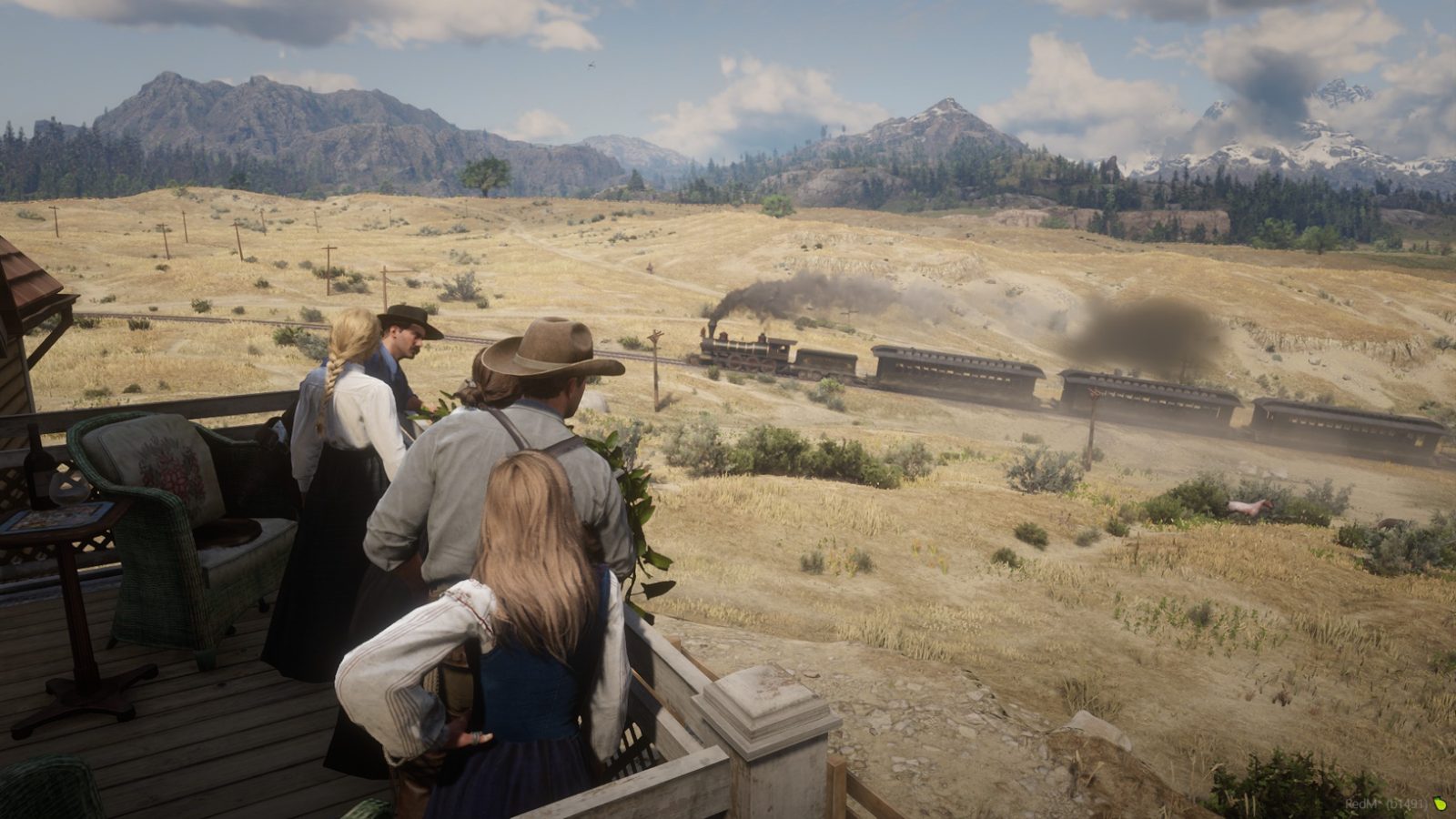
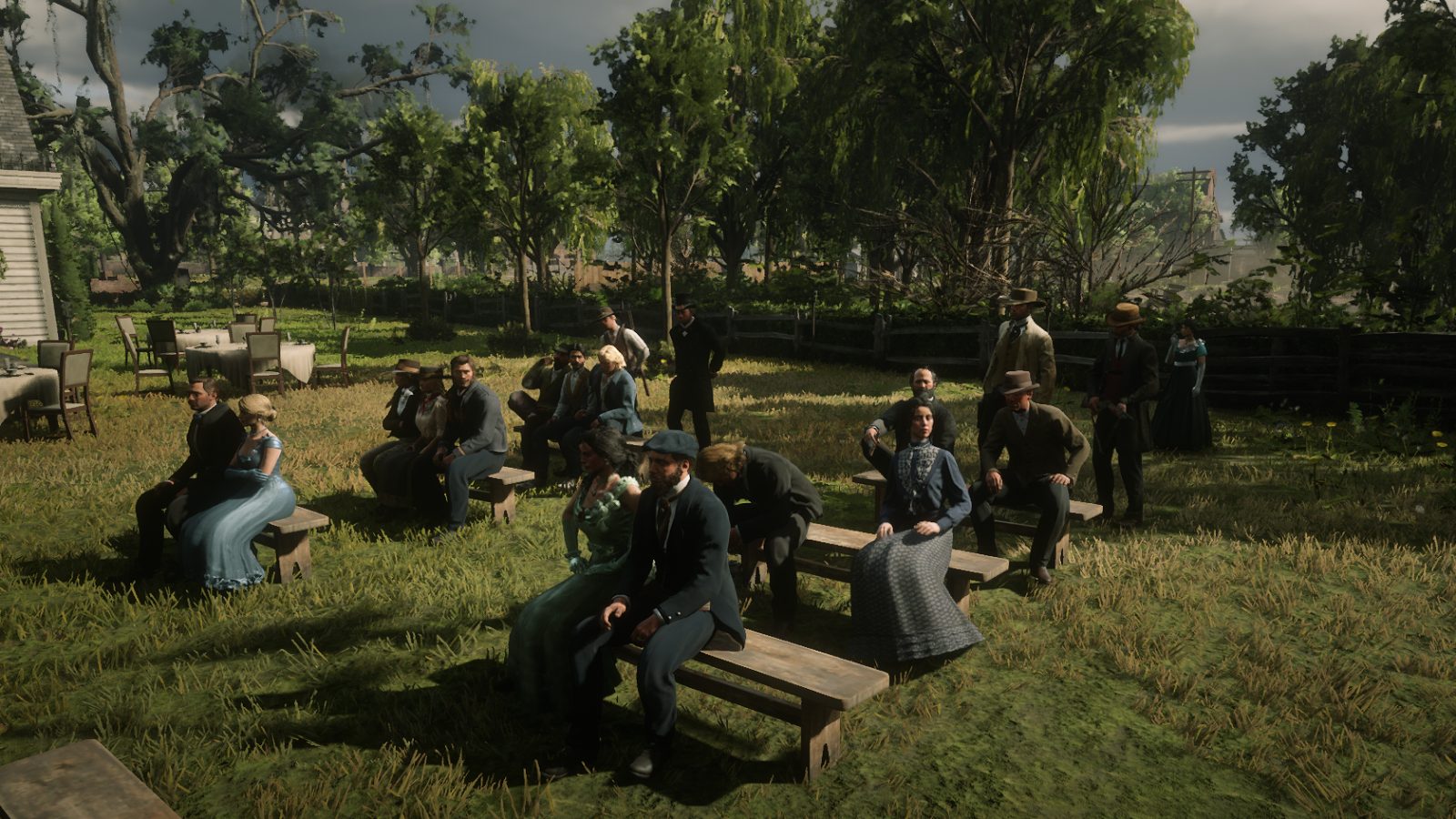
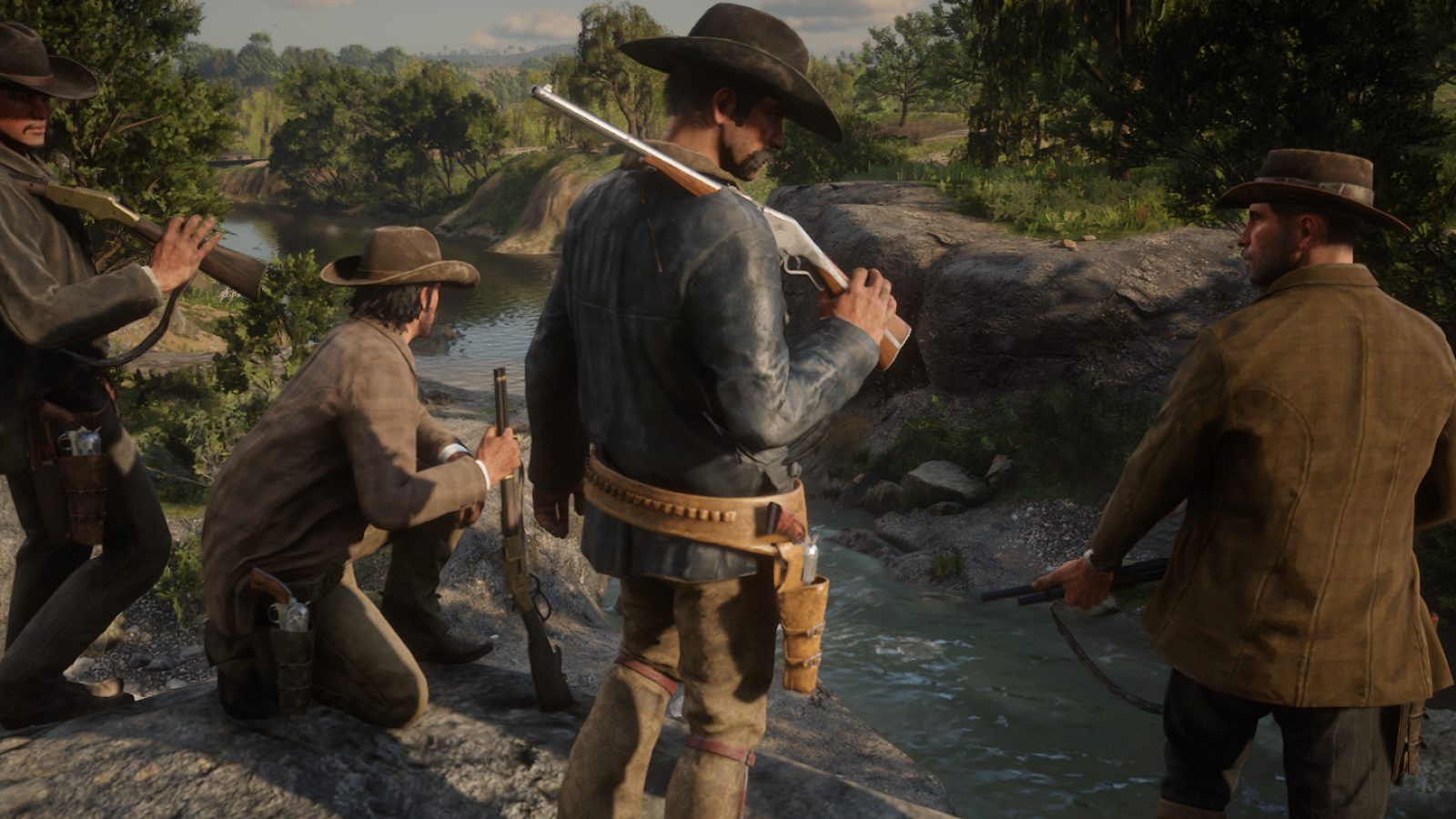
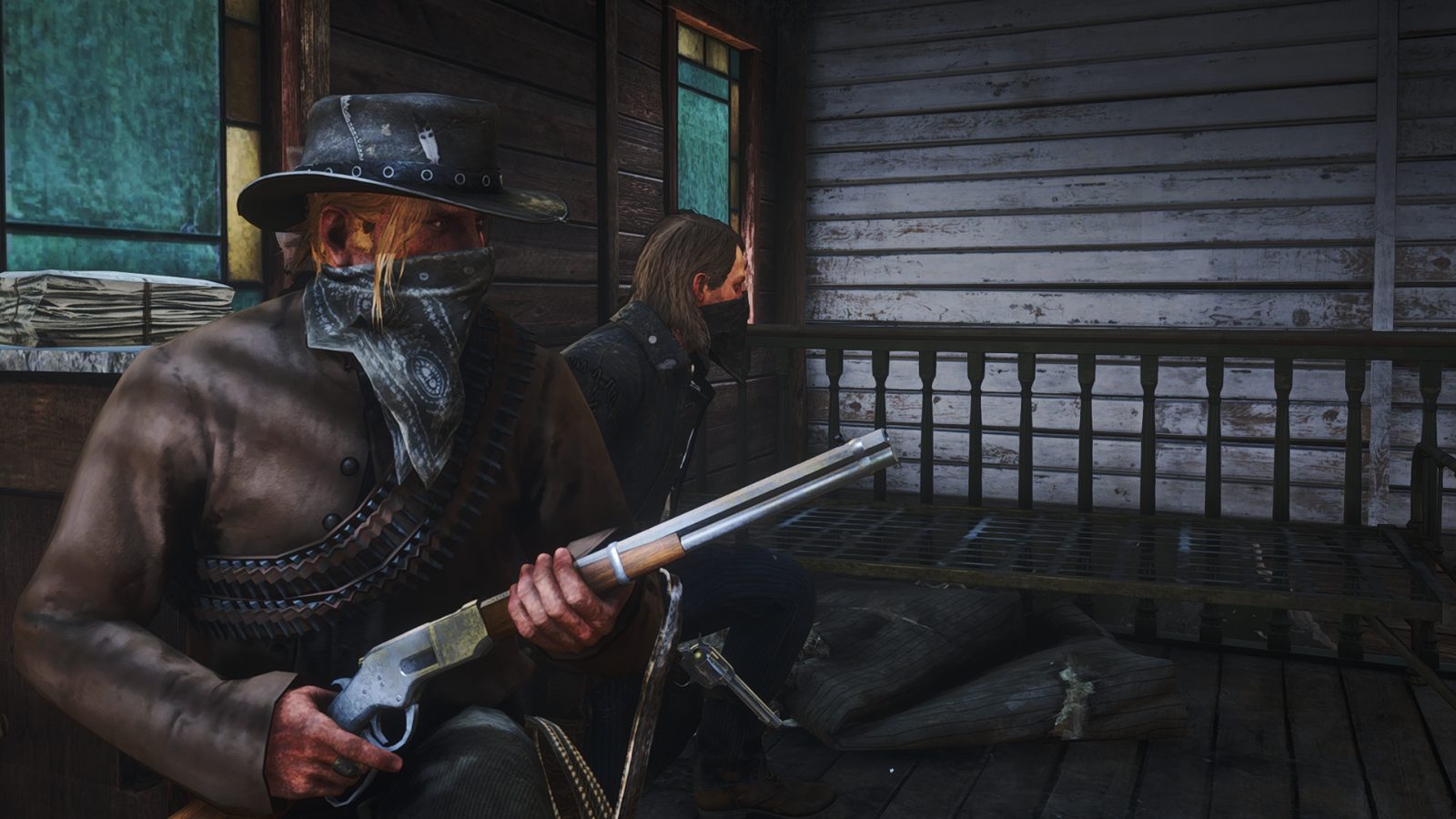
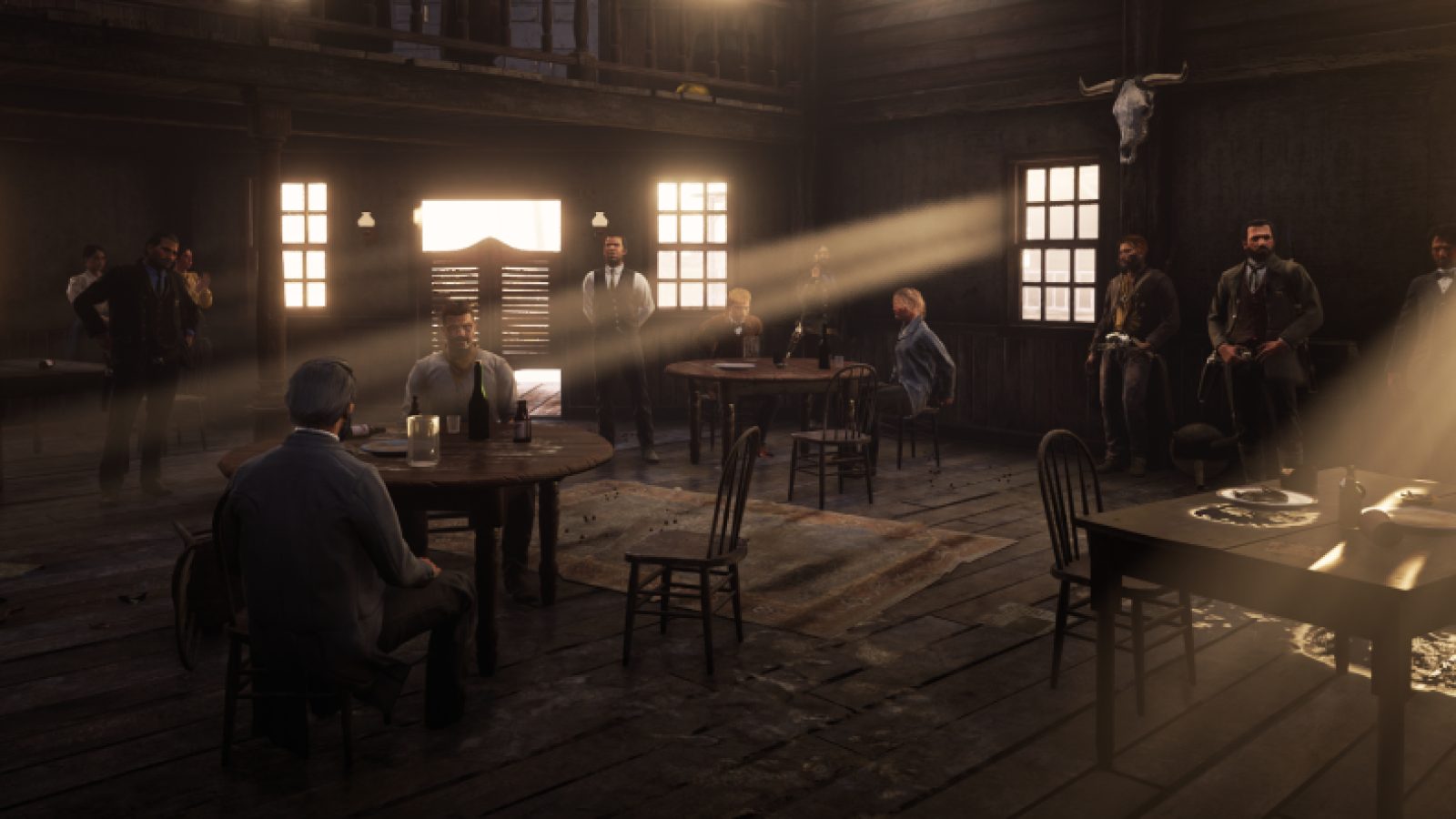
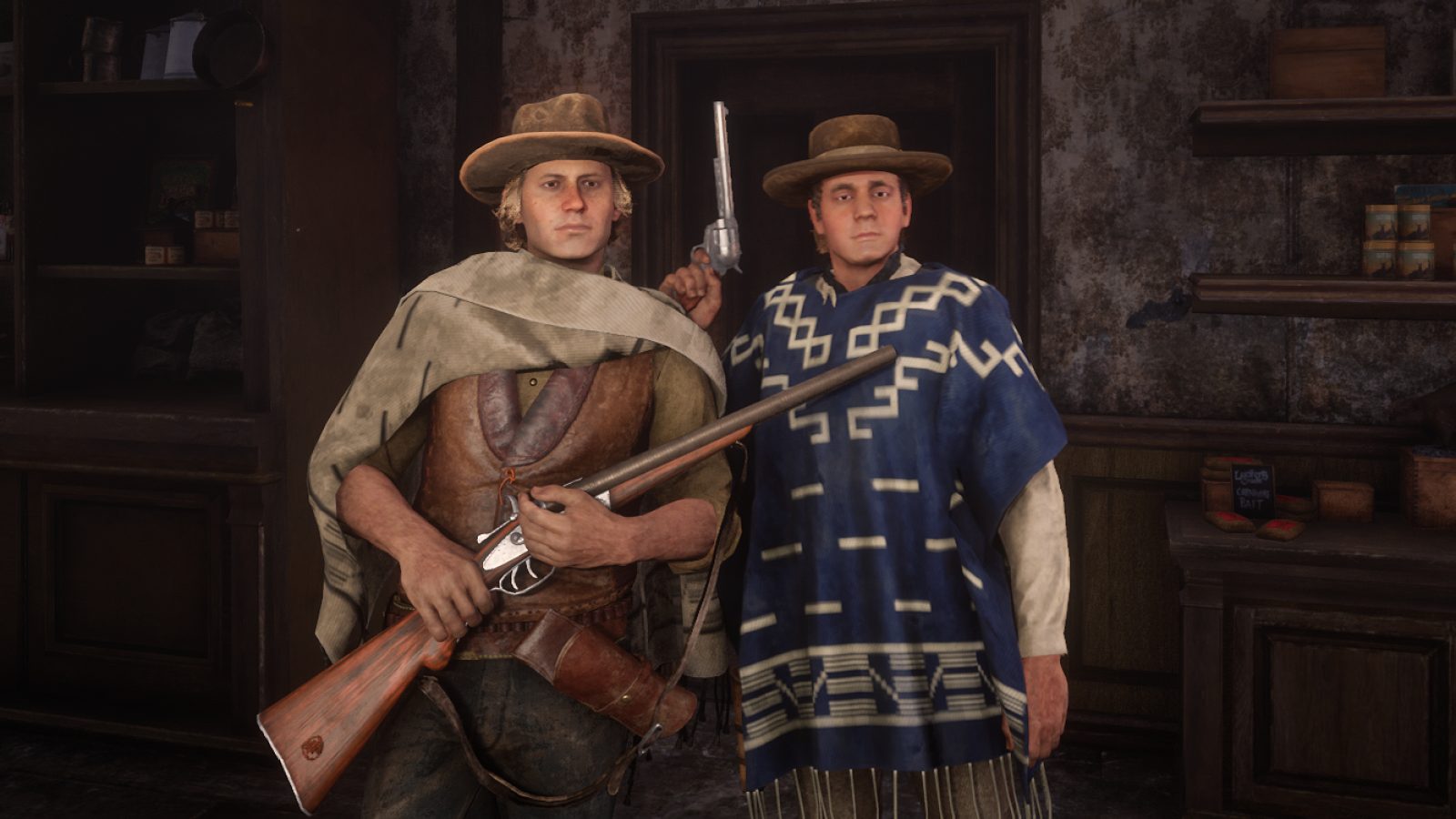
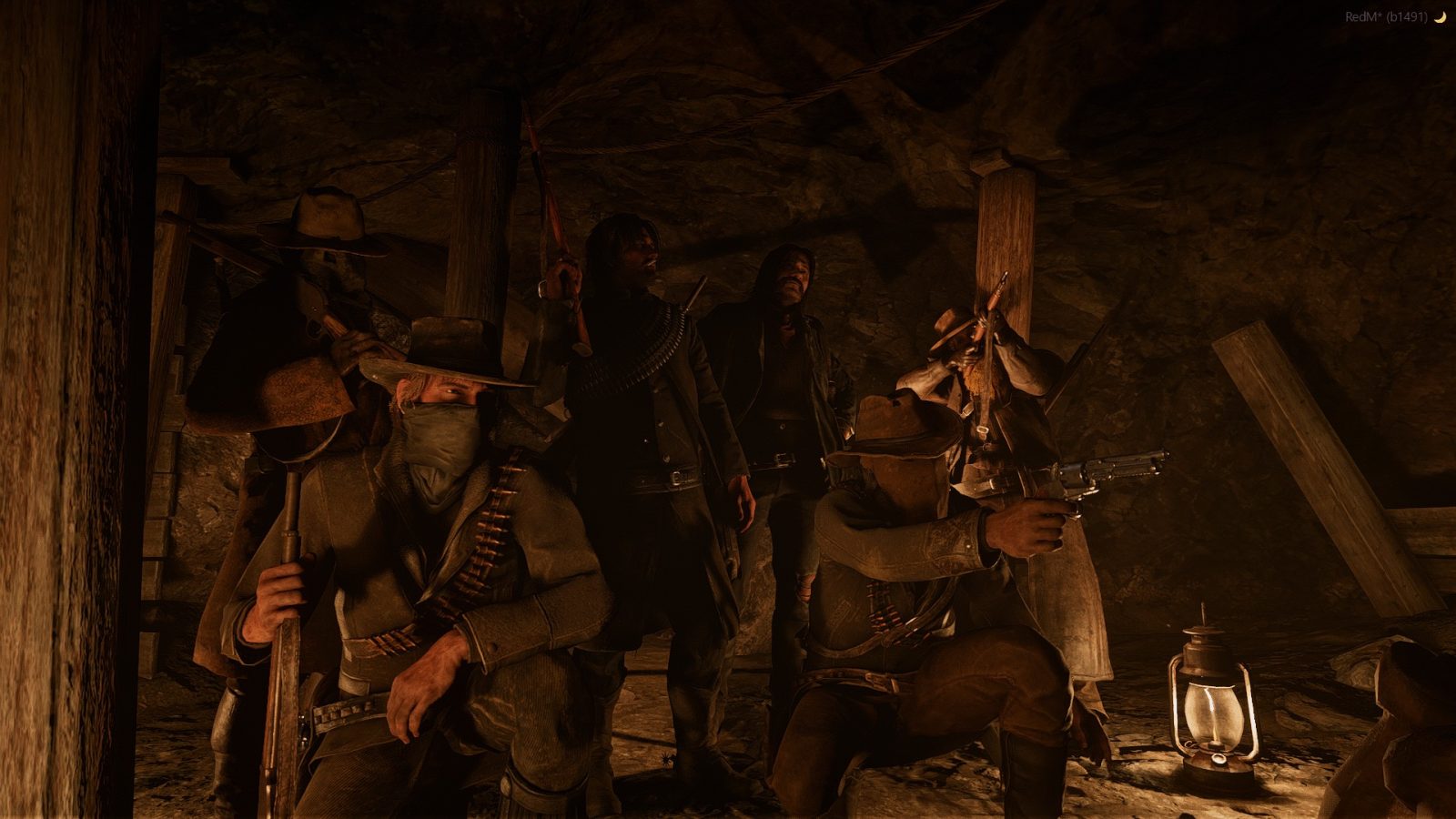
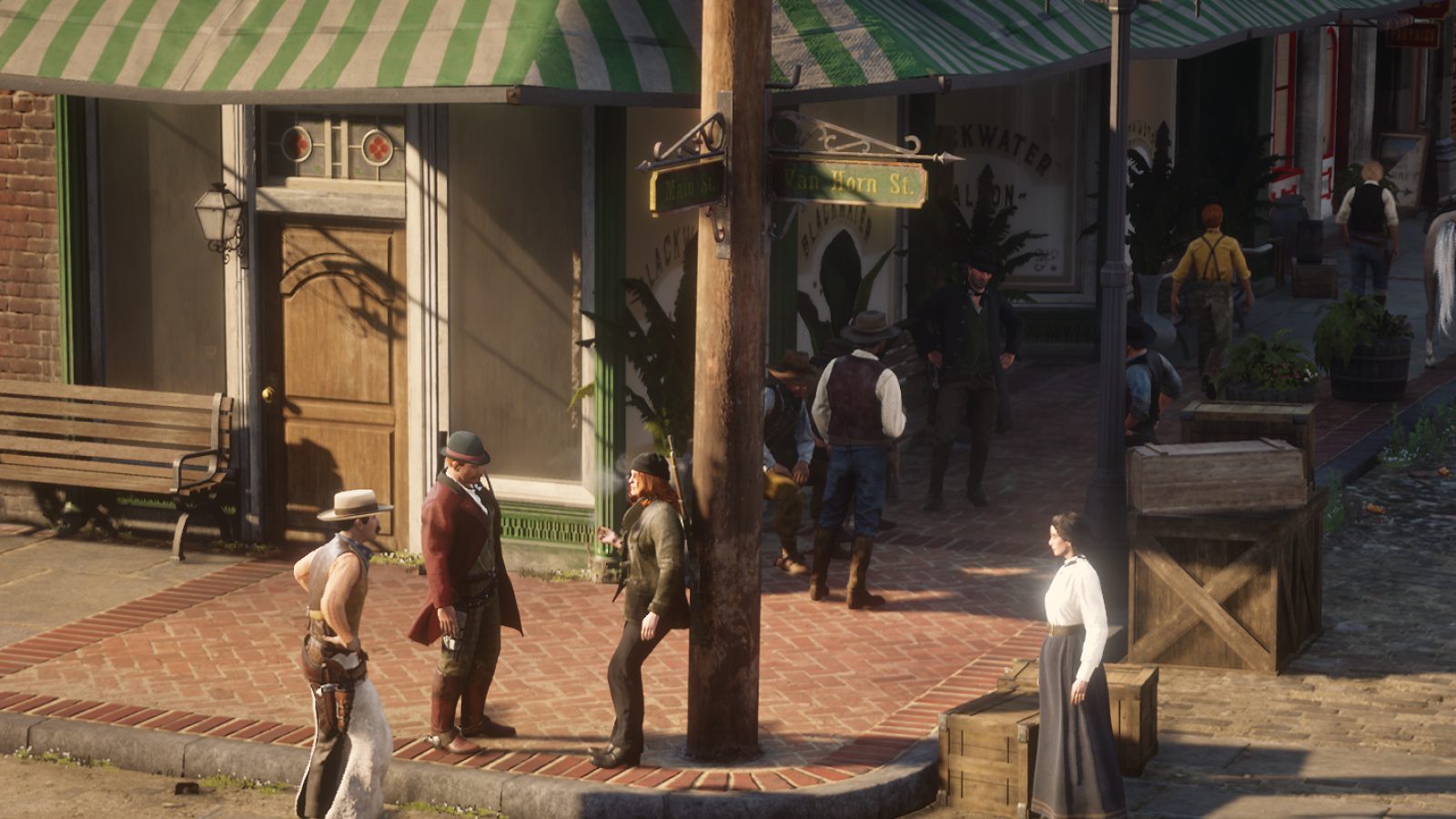
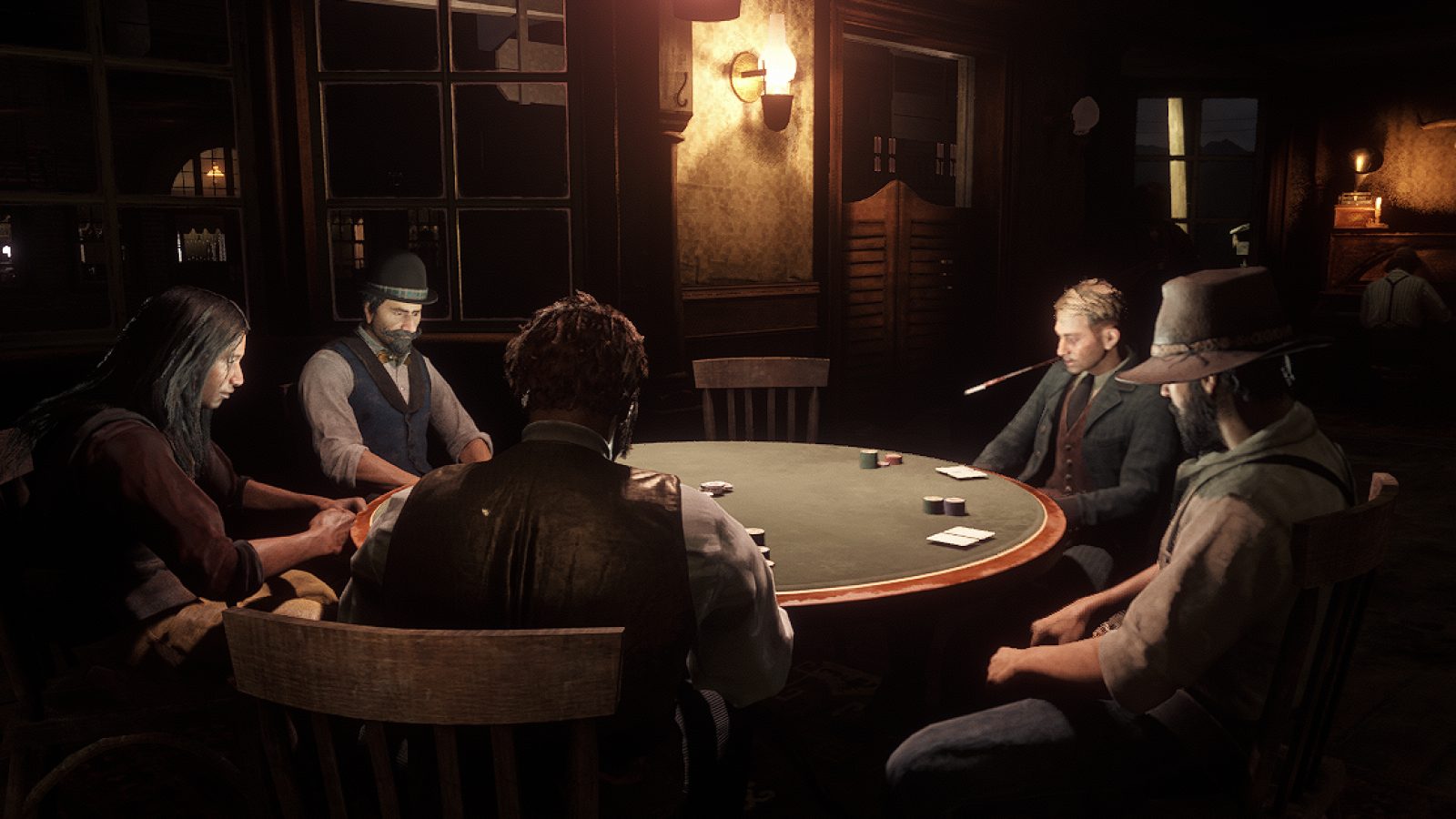
Moments captured by our community across South Tahoma.
The Experience
South Tahoma is built for players who live for the story. Now in our third year, we run a deep, reactive world with a living in-game economy, where you earn your place, build your fortune and make your name in the dying days of the Old West.
Slow-burn, narrative-driven roleplay where your words shape the world. Quality and detail over speed.
A real in-game economy with honest work and real stakes. Grind your trade, grow your wealth and earn everything you own.
Become a Sheriff, Bounty Hunter, Doctor, Rancher, Farmer, Outlaw and more, each with real responsibility.
Run a saloon, build an outlaw gang, or grow an empire. Player-driven organisations with real influence.
Our own development team builds bespoke scripts and features you won't find anywhere else, tuned to South Tahoma's world.
Hand-built map interiors that open up and add entire new buildings to the towns, expanding where your story can unfold.
Server Lore
Admitted to the Union in the summer of 1846, Tahoma became the 29th star to fly on the spangled banner. Sixteen years later, when secession rang across the States, it joined arms with the Confederacy, and in a swift siege one fateful day in May 1861 it surrendered its capital to the Union, an ignoble loss still felt strongly today.
Even the Siege of Blackwater couldn't quell the fighting spirit of West Elizabeth County. They found respite hunting mink, beaver and other prize furs in the hills surrounding the lumbering town of Strawberry, whose forests were once traversed by the various Cheyenne and Arapaho tribes, since pacified during the Indian Wars. The same cannot be said for the Apache and Comanche groups that continued to resist the cohabitation of their land in the neighboring New Austin territory.
In 1883, one lucky prospector struck gold in that old copper mine out by the Sea of Coronado, and in droves men and women rushed out to line their pockets in what they've coined the Gaptooth Gold Rush. But they say that in the tall shadow of all this fortune rumbles the beating hooves and hollers of the Old West, and if you're not careful, those gunslinging carrion will swoop in to take their fill, though none so hungry for gold as the federal government.
If they had their way, they would have absorbed New Austin and its resources into Tahoma right then and there. It fell to the people to make their stance: join Tahoma state, reaping from its comforts at possibly the expense of their prosperity, or, for the glorious merit of independence, trouble to tame that wild frontier for their own.
The State of Tahoma & New Austin Territory, 1895
A brutal drought hit the state of Tahoma in 1885, only further exacerbated by the brutal winter of 1886 to 1887. Many farms had their fields lie barren, and vast herds of cattle were destroyed. The end of the open-range cattle era had finally reached Tahoma. The old, almost mythical cattle drives that had become a staple of the industry were giving way to smaller, settled, fenced-in businesses. Few ranches continued to eke out an existence in Tahoma's Heartlands of New Hanover, taking advantage of the new technology and irrigation practices born from both desperation and American ingenuity.
In the summer of 1891, the Wapiti had grown weary enough of their treatment at the hands of the government. They took up arms, citing that it was what must be done before they were slaughtered like their cousin Lakota the winter before. Caravans through Tall Trees would go missing, and signs of braves hunting and stalking could be seen through Big Valley and the nearby Cat Tail Pond.
The northwestern region of Tahoma would experience the chaos and uncertainty that had plagued many settlers decades before. Though the Wapiti did well to rally any fellow disgruntled natives taking residency in Tahoma, from rogue Comanche and Apache to even some remnants of the Lakota tribes, they could not match the numbers that the Tahoma militia brought to bear.
After a few short skirmishes in Tall Trees and the nearby Great Plains, the Tahoma Militia managed to round up the remnants, putting them on a reservation north of their Fort Wallace to be closely watched and monitored, so that such an uprising would never happen again.
The Map
Five great regions, each with its own history, character and dangers. Explore the territory your story unfolds in.

During the Civil War, Tahoma's governor aligned the state with the Confederacy despite deep divisions across its population. When Union forces swiftly captured Blackwater, the city became a stronghold of federal control over a prosperous freight hub.
Later investment from the South Western Railroad Company fueled its recovery and growth, but political division deepened: Republican influence pushed westward expansion and drove Confederate veterans into New Austin, leaving a rift between northern sympathizers and southern loyalists that still echoes through the city.
The Siege of Blackwater was no great battle. Casualties were few but losses great, and when boats burned and livelihoods crumbled, many went north to the sleepy lumber town of Strawberry.
It earned a reputation for mountain hospitality and close-knit camaraderie, neighbors relying on one another to survive the northern wilderness.
Yet beneath the calm, resentment toward Blackwater grows, with locals convinced the booming port city bleeds the mountain towns through excessive tariffs and federal export taxes.
The southern heart of West Elizabeth: rolling grasslands, grazing fields, and scattered homesteads stretched between the Upper and Lower Montana rivers. Bison, deer and pronghorn still roam, though settlement and railroad expansion keep pushing wildlife west.
Ranches dominate the land, with outposts like Manzanita Post standing isolated along the trails.
Calmer than its neighbors, the plains still draw bandit activity and drifting gangs moving between New Austin and the north.
Further west, Tall Trees is smothered by dense forests of enormous pine and redwood-like trees that block the sunlight beneath their canopy. Long avoided for its isolation and violence, travelers frequently vanish along its winding woodland trails.
For years it was terrorized by outlaws and natives alike, each claiming the land.
By 1895 their influence has faded, yet Tall Trees remains one of the most dangerous wilds in West Elizabeth, especially after nightfall.
Beyond the forests lies Big Valley, a remote and breathtaking territory ringed by mountains, rivers, and alpine meadows. Known for fertile land, abundant game, and homesteads hidden beneath towering cliffs, it keeps much of its natural beauty untouched by industry.
Hunters, trappers, and independent settlers thrive here, though its isolation also shelters fugitives and drifters looking to disappear.

By 1880, Armadillo had become a middleman between the mines of New Austin and the state of Tahoma. The South Western Railroad Company's sale of land marked it as a transport hub, and with the trains came a colorful cast to fill out its community; miners rode in from Gaptooth Ridge for respite, enjoying the saloon and new goods fresh from Blackwater.
When a violent outbreak of cholera struck in 1881, the SWRC withdrew its trains and all support from the territories, leaving the epidemic to grip the town and stunt the modernization of New Austin.
Armadillo climbed slowly back to its feet by the spring of 1884, but found itself mostly left behind, acting as the watering hole for any venture deeper into the territories. By 1895 the town holds on, inching toward modernity but still lagging behind.
The first murmurs of a mining camp were heard over twenty years ago, after copper was discovered near the Sea of Coronado. The distant rhythm of labor briefly brought life to a barren stretch of plains, and the camp, affectionately named Tumbleweed by its rough inhabitants, slowly grew into a small town of sun-bleached buildings standing against the desert winds.
Life remained difficult, marked by frequent conflict with Mexican-American, Apache, and outlaw groups.
The Gaptooth Gold Rush of 1883 reignited interest in the area and fortune seekers flooded west, but by 1895 the mineral veins had largely run dry. With the railroad bypassing the town in favor of Armadillo, Tumbleweed declined once again into a remote and fading settlement on the edge of the desert.
The heart of New Austin, bordered by Gaptooth Ridge, Río Bravo, and Hennigan's Stead, with mountains along its northern edge. Wide desert plains, low hills, and scattered rock formations make it one of the driest regions in the territory, leaving cattle ranching as the dominant trade, with Lake Don Julio its most vital water supply.
Despite the harsh conditions it remains the political and economic center, home to Armadillo, the largest settlement and administrative hub.
Beyond town limits, outlaw activity makes the open desert hazardous for the unfamiliar.
The southernmost reaches of New Austin, running along the San Luis River. The most remote and sparsely populated part of the territory: steep cliffs, narrow canyons, dry scrubland, and unforgiving heat.
Settlement never took root here beyond Fort Mercer, and wildlife poses a constant threat, with wolves and cougars roaming the higher elevations.
Río Bravo is valued more as a natural frontier barrier than as land fit for expansion.
Named after its first settler, Andrew Hennigan, this eastern frontier is defined by broad rolling plateaus, gentle terrain, and scattered oak groves, some of the best land in New Austin for ranching. It is best known for cattle operations like MacFarlane's Ranch, and near the river the land turns greener and marshier.
That variation makes Hennigan's Stead one of the territory's more stable and productive regions, a transition between the frontier deserts and the richer lands beyond.
New Austin's western frontier, a harsh expanse of mesas, plateaus, and mineral-rich badlands reaching toward the Sea of Coronado. Sparsely inhabited, it holds some of the territory's richest mining claims, copper and gold that have drawn prospectors west for decades.
Harsh terrain and conflict with native tribes and border raiders long discouraged settlement, yet mineral wealth made parts of the ridge vital ground.
Tumbleweed stands as its largest settlement and enduring symbol of frontier ambition.
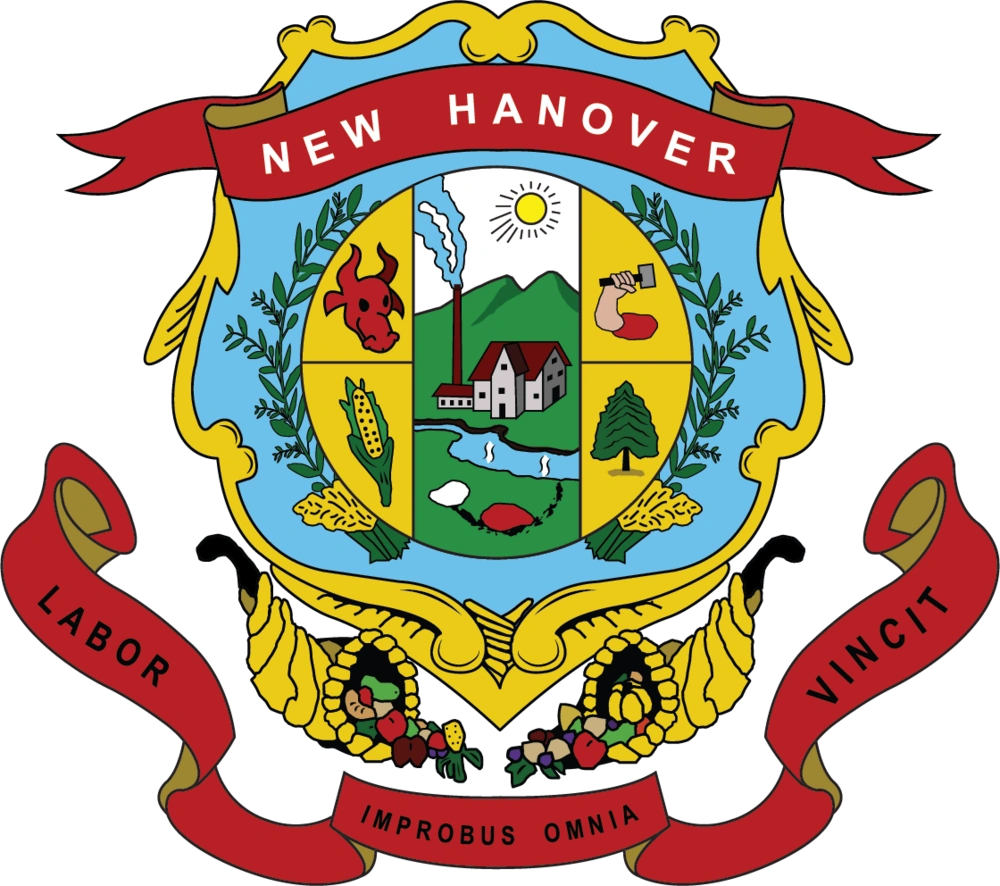
Set on the edge of the fertile Heartlands basin, Valentine began as nothing more than a cattle weigh station and a hitching post on the old Dakota Trail, a product of a split county during the Civil War that harbored both Union and Confederate sympathizers before the final battle in Blackwater. By the late 1870s it had transformed into New Hanover's primary livestock hub, its position secured by the convergence of multiple rail lines and the rich lands around it.
Nowadays Valentine is a town of mud, noise, and motion, where trail-weary drovers fill the saloons before they've even washed the trail off their boots.
Its central stockyard, established by a Missouri syndicate in 1880, is one of the largest in the state, rivaled only by Saint Denis. At its core it is a frontier town in flux, caught between booming commerce and its own inability to civilize; it survives not by virtue, but by utility.
Built along the banks of the Lannahechee River, Annesburg is a company town in every grim sense of the term. Founded in 1866 by Eastern mining interests, it was named after the wife of a German financier who never set foot west of New York, an irony not lost on its residents, many of them German immigrants brought in by false promises of wages and land.
In truth, Annesburg is a coal pit with rooftops, where men are born into labor and die beneath it.
By 1895 every building, from the bunkhouses to the general store, is owned by the Jameson Mining and Coal Company. Pay comes in company scrip, redeemable only at the company store, and prices rise as hope declines.
South of Annesburg, along the banks of the Lannahechee River, lies Van Horn Trading Post, a settlement in name only. Originally chartered in 1852 as a river export hub for the Roanoke timber trade, the town fell into decline as Annesburg and Saint Denis rose in prominence and diverted its trade routes.
By 1895, Van Horn has become a refuge for smugglers, outlaws, and other broken men; its buildings are worn and derelict, and unchecked vice defines daily life.
No form of federal authority holds sway here, leaving the settlement entirely beyond the reach of law.
The wide central plains of New Hanover, bordered by West Elizabeth, Cumberland Forest, and the darker territories of Roanoke Ridge and Lemoyne, its southern edge meeting the shores of Flat Iron Lake. Fertile and relatively mild, it is shaped by rolling hills, open prairie, and scattered groves.
Deer and pronghorn roam the plains alongside rabbits, turkeys, geese, and wild horses.
Frequent rain and rich soil make it ideal for ranching and agriculture, letting cattle empires and farming homesteads flourish.
North-west of the plains rises Cumberland Forest, a rugged wilderness of pine-covered hills and narrow paths forming a natural border between the lowlands and the chilly mountains beyond. Smaller than the surrounding territories but dense and hard to navigate, it draws hunters, lumber workers, and trappers, and even the state militia keeps an outpost here.
To the east lies Roanoke Ridge, perhaps the bleakest territory in New Hanover. The smell of industry hangs constantly over its wooded hills, and its rivers and valleys are scarred by years of mining and exploitation.
Abandoned mines dot the land, left behind as the veins ran dry or an unfortunate accident forced them to close.
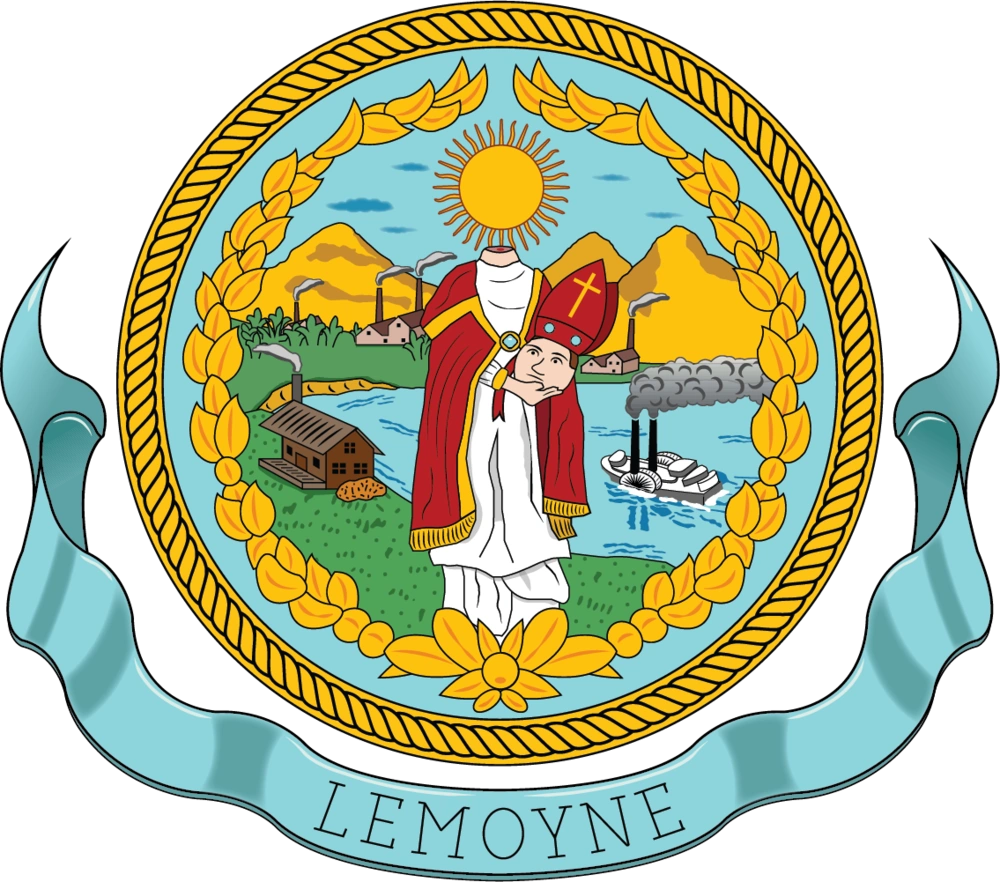
Once a French colonial outpost carved from the marshes of the Lannahechee, Saint Denis has by 1895 grown into the industrial crown jewel of the state, a gaslit, rapidly modernizing city built atop mud, history, and forgotten foundations. Its revival was driven by Reconstruction-era investment from northern financiers like J.D. McKnight and industrial magnates such as Leviticus Cornwall, who reshaped its war-scarred wharves into a dense network of factories, tramlines, and trade routes.
As electricity begins to spread across America, Saint Denis stands among the first major southern hubs to embrace the new era of power and industry.
Functioning as the state capital in all but name, it is the cultural and economic heart of the region, shaped by French architecture and sustained by immigrant labor, particularly Italian, Chinese, African American, and Creole communities.
Yet beneath its modern façade the city remains deeply divided: the wealthy occupy the Mansion District while the poor, orphans, drifters, and freedmen, are crowded into the alleys of Saint Francis, known locally as the Bowery. Adorned with trams, uniforms, and banking syndicates, Saint Denis is still plagued by corruption, its ports choked with runoff and its skies heavy with coal soot.
Nestled among the red clay fields and sprawling plantations of Scarlett Meadows, Rhodes is a town built on Southern tradition and Confederate memory. Founded by Brigadier General Sherman M. Rhodes, it originally served as a key logistics point during the Civil War, with rail lines and telegraph stations threading through what was once disputed ground.
Today it stands as a bitter compromise between old wealth and new law, caught between the decaying legacies of estates like Caliga Hall, the Braithwaite plantation, and the Shady Belle family, and the creeping influence of federal systems.
The train station, telegraph office, and Bank of Rhodes signify progress, but just beyond the parlor house porch the old veterans still drink to the Confederacy.
A remote fishing settlement hidden deep within the swamps of Lemoyne, resting along the murky waterways northwest of Saint Denis. Surrounded by cypress trees draped in Spanish moss and vast stretches of marshland, the village remains largely cut off from the industrial growth spreading across the region.
Its residents, many descended from Creole families, displaced communities, and freedmen, have preserved traditions and ways of life that outsiders often struggle to understand.
Despite its isolation, Lagras is known for quiet hospitality, offering shelter, food, and guidance to travelers who respect the bayou and its unwritten rules.
Cypress trees rise from mucky, dark water, and much of the land disappears beneath fog after sundown, earning its Creole name, "Black Swamp." Travelers whisper of strange lights drifting through the marsh and of isolated families who have lived there for generations without ever setting foot outside the region or within Saint Denis.
Much of the swamp remains untamed, with only the locals knowing its ways.
To the west lies Scarlett Meadows, where fertile soil made old plantation dynasties rich long before industrialization arrived. Grand estates such as Caliga Hall and Braithwaite Manor still stand as symbols of inherited power, though many families have scattered, including the old line that once held Shady Belle, while the rest cling desperately to traditions the modern world has begun to leave behind.
North of the swamps, Bluewater Marsh remains largely untouched. The ground is unstable and drowned beneath thick reeds and stagnant water.
Entire settlements, like the town of Pleasance, have been abandoned to disease, floods, or simple isolation.

The harsher of the two territories: icy peaks, narrow passes, and valleys stretched beneath the mountains, bordering Big Valley to the west and following the Dakota River to the south. Temperatures stay barely above freezing for much of the year, and violent storms can bury entire trails beneath snowdrifts without warning.
Wildlife is scarce, though wolves, elk, mountain goats, and grizzlies still roam.
Hidden among the peaks are landmarks like Lake Isabella and Mount Hagen, with whole valleys, such as Tempest Rim, untouched by any settlement.
Less severe than its western counterpart, but rugged and dangerous in its own right. Dense forests, steep ravines, and rocky hills dominate, with tundra giving way to thick woodland.
Rivers, hunting grounds, and lakes fill the land, among them O'Creaghs Run, the biggest in the region, and the steaming pools of Cotorra Springs, where volcanic activity still shapes the terrain.
Wildlife thrives throughout, making it one of the richest hunting territories in all of Tahoma.
Community
Our Discord is where it all happens, find roleplay, ask questions, and keep up with announcements and events across South Tahoma.
Get Started